
Laura Biddle

About Laura Biddle
Posts by Laura Biddle:

TTC during the Festive Season
Celebrating the holidays can be especially challenging when you’re trying to conceive. From personal questions at family gatherings to emotional triggers that arise unexpectedly, it’s easy to feel overwhelmed. Below are some quick tips on protecting your peace, setting boundaries, and looking after your emotional well-being so you can enjoy this festive period while staying focused on your fertility journey.
Why the Festive Season Can Be Tough
Emotional Weight of Family Gatherings
- Conversations about children can be intense or unwelcome.
- Hearing “When are you having a baby?” can feel pressuring or hurtful if you’re TTC.
- Remind yourself many people share these worries—there are ways to navigate them gently.
Impact on Mental Well-Being (TCM Perspective)
- Heightened stress disrupts the flow of Qi, potentially affecting hormone balance.
- Acknowledging these emotional hurdles helps preserve your reproductive well-being.
Setting Boundaries & Handling Personal Questions
Prepare Polite But Firm Responses
- Script a response: “Thank you for your concern. We’re taking things day by day and would prefer not to discuss it right now.”
- If relatives persist, gently shift topics (e.g., ask about their year in review).
Shared Strategies for Couples
- Agree in advance how to respond if personal questions arise.
- Use a subtle signal (like a hand squeeze) to take a moment if feeling overwhelmed.
Looking After Emotional Well-Being
Acupuncture & Stress Reduction
- Regular sessions help regulate hormones, reduce anxiety, and calm the nervous system.
- Particularly beneficial during high-stress months like December.
Breathing & Grounding
- Try slow, mindful breaths or acupressure on Yintang (between eyebrows) before and after gatherings.
- Helps maintain a sense of centeredness and calm.
Holiday Self-Care
- Plan a Soothing Activity: Warm baths, aromatherapy, guided meditations—whatever replenishes you.
- Schedule a “Buffer Day:” If possible, allow a day of rest or light stretching between family events and work.
- Book Shared Sessions for Couples: Acupuncture together can become a calm checkpoint, fostering deeper connection and shared health goals.
A Compassionate Close to the Year For You
Practice Kindness Toward Yourself
- Recognise that parenthood starts long before a baby arrives; it demands emotional resilience, supportive partnerships, and physical well-being.
- Approach this season with flexibility and compassion, acknowledging both its joys and challenges.
Wishing You Peace & Strength
- Through it all, remember your long-term goals and the strong foundations you’re building.
- Even if awkward questions arise, staying grounded in your own plans can make the difference between stress and reassurance.
Arrange your free 15-minute Discovery Call
For acupuncture and herbal medicine in Sutton Coldfield, visit www.TheAcu.co.uk to schedule an appointment or learn more about how we can support you during the festive season and beyond.
Herbal medicine consultations are available online too.
The Winter Well-Being Blueprint: TCM Tips for Staying Warm and Healthy
The Winter Well-Being Blueprint: TCM Tips for Staying Warm and Healthy
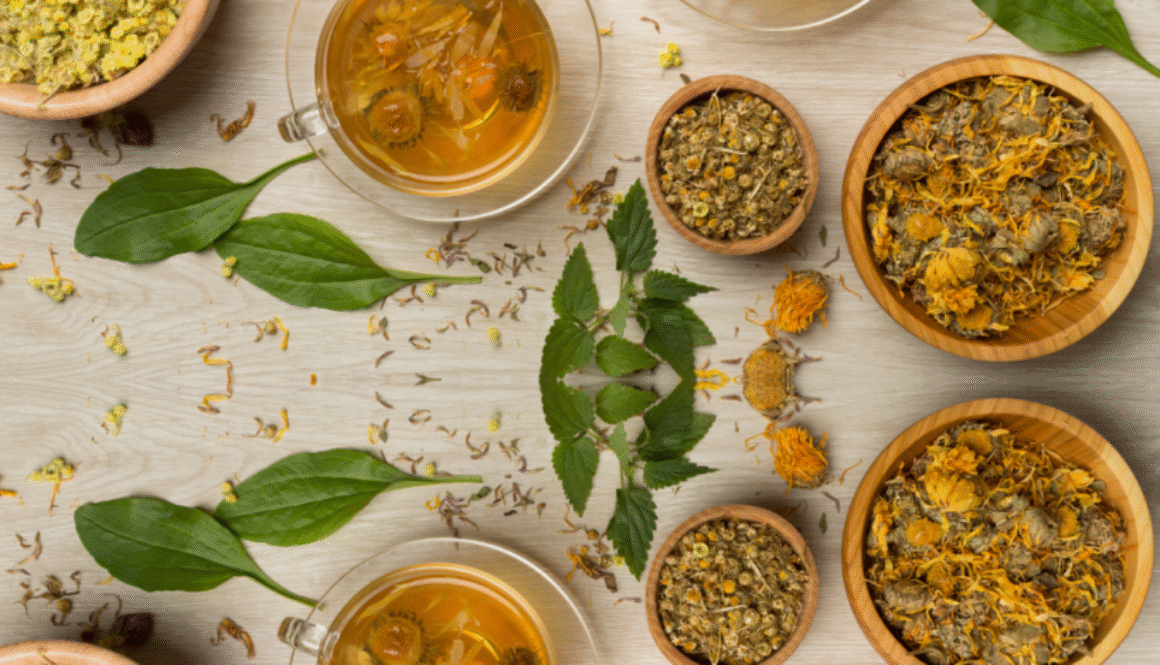
Winter can be an especially challenging season for our bodies. In Traditional Chinese Medicine (TCM), winter is the Kidney season, meaning it’s the ideal time to nourish and protect our Kidney energy (Qi) to support overall vitality. Below, you’ll find simple, patient-friendly ways to keep yourself cosy, bolster your immune system, and stay energised—even when temperatures drop.
1. Why Winter Is Kidney Season
- Kidney Channel & Warmth
In TCM, the Kidneys are viewed as the foundation of our vital energy (Jing). When Kidney energy is strong, we feel stable, warm, and resilient. During winter, external cold can deplete this warmth, so it’s crucial to keep areas like your lower back, neck, and feet cosy to protect your Kidney channel. - What to Expect in This Guide
Throughout this post, you’ll discover practical tips and warming therapies—from moxibustion to foot soaks—all designed to help you stay healthy and comfortable in the colder months.
2. TCM Therapies to Stay Warm & Boost Immunity
Moxibustion & Infrared Heat Lamps
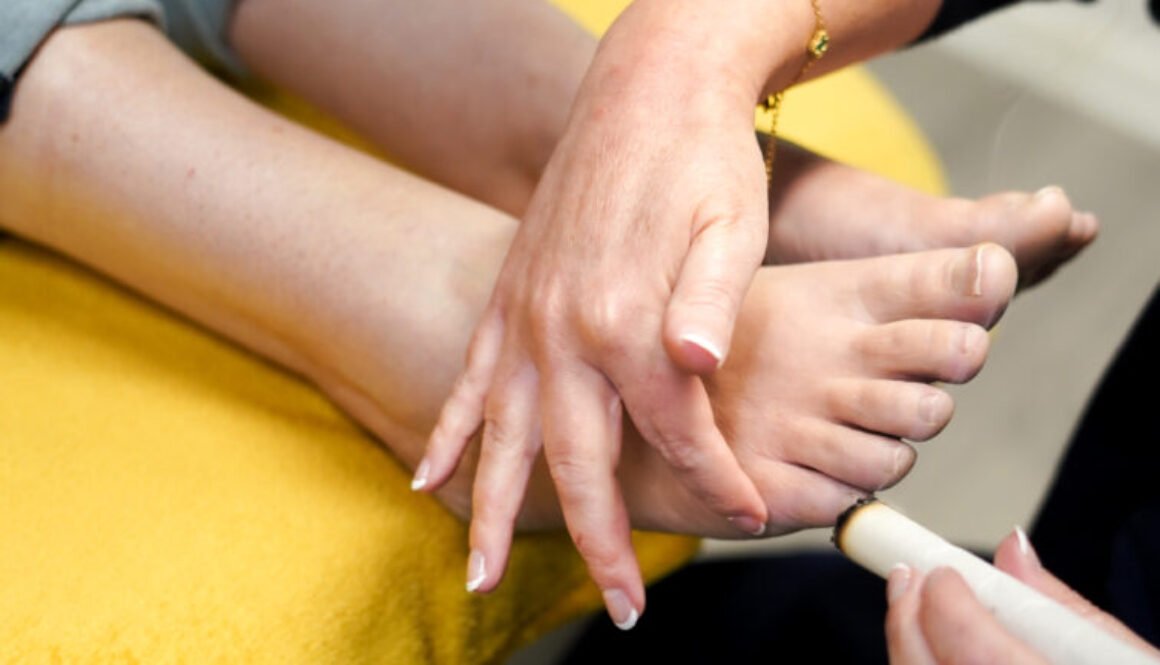
- Moxibustion (Moxa): A technique that involves burning the herb mugwort near specific acupuncture points, like Kidney 7 (to restore Kidney Yang) or Bladder 23 (to support the Kidneys). This deeply warms the channels, improving circulation and helping your body generate more heat.
- Infrared Heat Lamps: Used during clinic visits to gently warm the body and boost blood flow. Along with air purification in the treatment room, these lamps make it safe and comfortable for you to come in even if you’re feeling slightly under the weather.
Ginger Compresses & Foot Soaks
- Ginger Compress: Applying warm ginger-infused water to areas such as the lower back encourages blood flow and aids the Kidney channel’s natural warmth.
- Foot Soaks: Steeping your feet in warm water with ginger or Epsom salts can help relieve cold feet, a common winter complaint, while relaxing your entire system.
3. Herbal Remedies & Warming Ingredients
- Customised Herbal Formulas: TCM herbal prescriptions can be tailored to each person’s unique needs. Herbs like cinnamon (Rou Gui), ginger (Sheng Jiang), and turmeric (Jiang Huang) provide extra warmth and promote circulation.
- At-Home Tip: Simply adding a slice of fresh ginger or a pinch of cinnamon to your tea or soups can gently stoke internal heat and support digestion.
4. Simple Western Tips for a Strong Immune System
While winter is the Kidney season in TCM, it’s also generally a cold and flu season. Combine TCM insights with practical, everyday habits:
- Nutrient-Rich Meals: Include colourful seasonal produce (think squash, leafy greens, carrots) and add herbs/spices (garlic, ginger, chilli) for an extra immunity boost.
- Stay Hydrated: Warm beverages like herbal teas keep you cosy, but if you’re prone to dehydration, try electrolytedrinks to replenish minerals.
- Flu-Buster Soups or Ginger Shots: Boost your system with soups loaded with chicken or vegetable broth, onions, garlic, and plenty of warming spices.
(No mention of vaccinations here; each person’s choice is their own.)
5. A Quick “Winter Warm-Up” Checklist
- Protect Key Body Areas: Keep the lower back, back of the neck, and feet warm with scarves, shawls, or thick socks.
- Use Moxa or Infrared Heat: Ask a qualified acupuncturist about adding moxibustion or infrared heat therapy to your sessions.
- Add Warming Herbs: Incorporate ginger, cinnamon, and turmeric into your daily diet or ask about a personalised herbal formula.
- Gentle Self-Care Rituals: Try ginger compresses on the lower back or foot soaks at night to soothe stress and keep circulation strong.
- Eat Seasonally & Colourfully: Aim for nourishing soups with plenty of root vegetables, protein, and warming spices.
6. Ready for a Cosy Winter?
If you’re looking to enhance your winter wellness with holistic support, I’m here to help. At my clinic on Boldmere Road in Sutton Coldfield, I use:
- Individualised Acupuncture Treatments (Kidney 7, Bladder 23, and more)
- Moxibustion & Infrared Heat
- Personalised Herbal Formulas featuring warming herbs
These therapies can reinforce your body’s natural defences, keeping you warm, comfortable, and energised throughout winter.
Schedule Your Discovery Call
I offer a free 15-minute phone call for new patients to discuss how acupuncture and herbal medicine may support your specific concerns. To book your discovery call or initial consultation, head to:
www.lauratheacupuncturist.co.uk/booknow
Have your own favourite winter-warming routine?
Share your tips with our community in the comments! Let’s help each other stay cosy, healthy, and full of energy this season.
Here’s to a warm and nurturing winter,
Laura The Acupuncturist and Herbalist
Fertility Over 35: How Acupuncture & Herbs Can Defy the ‘Biological Clock’
Fertility Over 35: How Acupuncture & Herbs Can Defy the ‘Biological Clock’
Many of us have heard the phrase “biological clock” and felt the pressure that comes with it—especially once we pass our mid-thirties. While it’s true that fertility naturally changes with age, Traditional Chinese Medicine (TCM), which includes acupuncture and herbal medicine, can help you optimise your reproductive health and maintain hope beyond the so-called cut-off points. Here’s how.
1. Understanding the ‘Biological Clock’ Myth vs. Reality
- Real Shifts After 35: Statistically, fertility declines as egg and sperm quality and quantity reduce. However, this drop is gradual, and everyone’s journey is unique. Tests are often required initially to assess your current fertile state, before treatment.
- Holistic Perspective: TCM views the body as an interconnected system. Even if you’re over 35, balancing Qi(energy), addressing underlying imbalances, and nourishing the Kidneys (which govern reproductive essence in TCM) can give you a fertility boost.
2. How Acupuncture Supports Fertility Post-35
- Hormonal Regulation & Stress Relief: Acupuncture helps rebalance hormones (such as FSH, LH, and oestrogen) and reduce cortisol (stress hormone) levels, which can disrupt ovulation and conception.
- Enhanced Blood Flow: By targeting specific points, acupuncture can improve circulation to the reproductive organs.
- Cycle Optimisation: Regular sessions may help stabilise menstrual cycles, making it easier to predict ovulation and time intercourse or fertility treatments effectively.
3. The Power of Herbal Medicine
- Customised Formulas: TCM herbs are blended based on your specific constitution—addressing issues like poor egg quality, irregular cycles, or low energy.
- Key Ingredients: Moving or breaking up endometriosis, fibroids, varicocele, controlling PCOS symptoms, increasing libido – there are herbal formulas to help with all of these. All herbs meet the HerbMark safety standards in the UK and Europe.
- Comprehensive Support: TCM herbal remedies often work alongside Western treatments, supporting egg health, implantation, and stress management.
4. Lifestyle Tips to Defy the Clock
- Nourishing Diet: Focus on protein, colourful veg, healthy fats, and gentle warming spices—especially important if you tend to feel cold or fatigued.
- Prioritise Stress Management: High stress can delay or disrupt ovulation. Meditation, yoga, and acupuncture can all help keep cortisol levels in check.
- Adequate Sleep: Aim for 7–9 hours nightly to support hormonal balance and cellular repair.
- Integrative Check-Ups: Keep up with any recommended Western fertility tests while enhancing your body’s natural resources with TCM.
5. Success Is a Team Effort
- Involving Your Partner: Male fertility factors can also shift after 35. Combining TCM with a healthy lifestyle can support sperm quality and the overall conception journey.
- Conventional Medicine + TCM: If you’re pursuing assisted reproductive techniques (ART) like IVF or IUI, acupuncture and herbs can enhance these treatments—often improving implantation rates and helping manage side effects from fertility drugs.
Ready to Explore Your Fertility Options?
It’s never too late to invest in your reproductive health. Whether you’re trying naturally or planning fertility treatments, acupuncture and herbal medicine offer a holistic pathway to sustaining and enhancing fertility well beyond 35.
Schedule Your Discovery Call
I offer a free 15-minute phone call for new patients to discuss how TCM may support your individual circumstances. To book your discovery call or initial consultation, visit:
www.lauratheacupuncturist.co.uk/booknow
Defy the clock by giving your body the balance, nourishment, and attention it needs. With the right combination of acupuncture, herbs, and healthy lifestyle choices, you can optimise fertility—no matter what birthday you’ve just celebrated.
Is Your Acupuncturist a Professional Acupuncturist?
Why It’s Essential to See a Trained, Registered Acupuncturist
Acupuncture has grown in popularity worldwide for its ability to treat a wide range of conditions—from musculoskeletal pain to fertility challenges—often without the side effects of certain pharmaceuticals. However, not all acupuncture services are created equal. In this post, we’ll explore why seeking out a trained and registered acupuncturist is crucial for both safety and efficacy and how to make sure you’re in the right hands.
1. Comprehensive Training & Professional Affiliations
- Minimum of 3 Years’ Study (3600+ Hours):
Proper acupuncturists undergo at least three years of formal education, which includes clinical skills, supervised practice, and extensive theoretical coursework. - Recognised Professional Bodies:
Look for practitioners registered with credible organisations like the AAC, RCHM, BAcC, or ATCM. Membership indicates they’ve met rigorous standards for training, clinical practice, and professional ethics.
Why This Matters:
Deep theoretical knowledge ensures that your treatment plan addresses root causes as well as symptoms. It also guarantees continuing professional development (CPD)—meaning your acupuncturist stays current on the latest techniques and research.
2. The Risks of Inadequate Training
- Pneumothorax & Needle Placement:
Incorrect depth or angle can lead to serious complications, such as pneumothorax (collapsed lung). - Hygiene & Safety Standards:
A properly trained acupuncturist follows strict codes of conduct, including needle sterilisation standards and safe disposal. - Dry Needling vs. Acupuncture:
Dry needling is often performed by professionals from other fields after a short course, focusing on muscle pain (MSK). For conditions beyond MSK—or for a holistic approach—it’s vital to see a fully trained acupuncturist with the theoretical knowledge to treat you safely and comprehensively.
Real-World Impact:
Patients often come to a registered acupuncturist after subpar experiences with others. They notice the difference in how treatments are adjusted each session based on current health status, rather than sticking to a one-size-fits-all approach.
3. Evidence-Backed & Endorsed by Health Authorities
- Thousands of Years of Use:
Acupuncture and herbal medicine are grounded in a long history of success in Eastern traditions. - Modern Scientific Research:
There’s now a large database of clinical studies (PubMed, Science Direct, Google Scholar) supporting acupuncture’s efficacy for pain, fertility, and more. - NHS NICE Guidelines (UK):
Acupuncture is recognised and even recommended by NICE in certain contexts, which speaks to its growing validation within Western healthcare systems.
4. Integrative, Whole-Person Care
- Complex Cases & Integrative Medicine:
For infections, antibiotics from a GP might be the fastest solution—but partnering with an acupuncturist/herbalist/nutritionist can speed up recovery and reduce the chance of recurrence. - Fertility Support:
Combining fertility testing and nutrition guidance with acupuncture can offer a balanced approach, optimising overall reproductive health.
Bottom Line:
An experienced, registered acupuncturist works alongside conventional medicine, enhancing outcomes and reducing risks through a holistic treatment plan.
5. My Personal Qualifications & Expertise
- BSc (Hons) in Acupuncture & MSc in Herbal Medicine
This robust academic background underpins my clinical practice. - International Experience & Early Start
I began training at age 20, which is relatively young in the UK, allowing me to build extensive expertise early in my career. - Fertility Support & Beyond
I’m a member of the Acupuncture Fertility Network, Fertility-Support Trained and an affiliate of the Hannah Pearn company, enabling me to support couples and individuals with a wide range of reproductive health needs.
6. How to Ensure You’re in Safe Hands
- Check Credentials:
Look for AAC, RCHM, BAcC, or ATCM membership. - Ask About Training & Experience:
Don’t hesitate to inquire about academic background, clinical hours, and specialisations. - Look for Transparency:
A reputable acupuncturist will explain potential side effects, expected results, and outline a clear treatment plan.
Ready to Take the Next Step?
If you’re considering acupuncture—whether for pain relief, fertility support, or general wellness—make sure you choose a trained and registered professional. By doing so, you’ll benefit from the highest standards of safety, effectiveness, and personalised care.
Schedule Your Discovery Call
I offer a free 15-minute phone call for new patients to discuss how acupuncture and herbal medicine may support your specific concerns. To book your discovery call or initial consultation, head to:
www.lauratheacupuncturist.co.uk/booknow
Embrace the benefits of authentic acupuncture—rooted in thousands of years of wisdom and upheld by modern standards of training and evidence. By partnering with a registered acupuncturist, you take a major step toward a safer, more effective path to healing.
Understanding Fertility Success Rates: A Holistic Approach with Acupuncture & TCM
When you’re on a fertility journey—whether aiming to conceive naturally or through assisted methods like IVF—it helps to understand the statistics and success rates involved. Below, we break down some key figures on natural conception and IVF in the UK, plus how acupuncture and Traditional Chinese Medicine (TCM) can significantly boost your chances of success.
Natural Conception Rates
- Healthy Couple Under 35: About 15–25% chance of conceiving naturally each month.
- Age 40 & Beyond: The monthly rate can drop to 5% or lower.
- Why These Numbers Vary: Factors like diet, exercise, stress levels, and overall health can make a major difference in individual outcomes—far beyond these general statistics.
IVF Success Rates in the UK
According to the Human Fertilisation and Embryology Authority (HFEA):
- Under 35: Around 25% success rate for a live birth per IVF cycle.
- Ages 40–42: Approximately 12%.
- Over 43: Drops significantly below 5%.
Key Influencing Factors
- Age of Potential Parents: Younger sperm and eggs generally improve success rates.
- Cause of Infertility: Specific issues like egg/sperm quality or uterine health can influence results.
- Clinic Type: Private clinics may specialise in certain treatments or patient demographics.
For more details, check the HFEA website for comprehensive data on clinics and success rates.
The Role of Implantation
- Bottleneck of Success: Implantation is where 50–70% of fertilised embryos may fail to implant, both in natural conception and IVF.
- Acupuncture’s Impact: Research (see PubMed studies) suggests regular acupuncture plus lifestyle adjustments can boost live birth rates by up to 60% in IVF clients.
- Improves uterine blood flow and hormonal balance.
- Regulates stress, an often-overlooked barrier to implantation.
Why Acupuncture & Herbs Work
Improving Overall Reproductive Health
- Supports sperm and egg quality.
- Promotes a healthy uterine lining.
- Creates a balanced environment for conception.
Boosting Natural Fertility
- Regulates Menstrual Cycles: Better timing and egg quality.
- Herbal Medicine: Addresses blood stagnation, Qi imbalances, and stress—all of which can impede fertility.
Supporting IVF Procedures
- Enhances uterine receptivity and blood flow.
- Helps manage fertility drug side effects and reduces stress.
- Acupuncture sessions ideally start 3 months before IVF to maximise benefits.
Lifestyle Tips
- Download My Free TCM Fertility Guide: Head to my website and click the pop-up to grab quick tips on diet, acupressure, and stress management.
- Consistent, Holistic Approach: Simple daily habits—adequate sleep, balanced nutrition, and mindful stress relief—complement both natural conception and IVF.
Why Every Step Matters
- No Guarantees: Every fertility journey is unique, but integrating acupuncture and TCM with natural or assisted methods consistently shows improved outcomes.
- Get Started Early: For IVF, try to begin acupuncture at least 3 months prior to your treatment cycle for the best results.
- Tailored Support: If you’re curious about how acupuncture and Chinese herbal medicine might support your fertility, I’m here to help.
Ready to Take the Next Step?
- Free 15-Minute Consultation: For new patients, I offer a brief phone call to discuss concerns, answer questions, and explore possible treatment plans.
- Book an Appointment: Head over to my website for up-to-date pricing and availability.
Wishing you success and support on your fertility journey,
Laura
Understanding BBT Charting for Fertility
When it comes to understanding your fertility, knowledge really is power. One of the best tools to help you understand your menstrual cycle is Basal Body Temperature (BBT) charting. This simple yet insightful method involves tracking your temperature every morning before getting out of bed, giving you an incredible window into your body’s natural rhythms. Let’s explore how BBT charting works, what it can reveal, and how it can be an invaluable tool for fertility acupuncture treatment.
What Is Basal Body Temperature Charting?
Basal Body Temperature (BBT) is your body’s lowest resting temperature, measured right after you wake up. BBT charting involves taking your temperature upon waking each day and plotting it on a graph or in a dedicated app to detect subtle changes throughout your menstrual cycle. These changes can tell you so much more than you might think.
During the first half of your cycle, oestrogen is the dominant hormone. This keeps your temperature in a lower range, typically between 36.11°C to 36.38°C. After ovulation, the hormone progesterone rises, creating a thermogenic shift that increases your temperature to around 36.44°C to 37°C. Though this change may be small—just 0.20°C to 0.60°C—it’s an essential indicator that ovulation has taken place. Seeing three or more consistently elevated temperatures is usually enough to confirm ovulation.
How to Track Your Basal Body Temperature
Tracking your BBT is simple and inexpensive, but it requires some consistency:
-
Buy a digital ovulation thermometer that measures to two decimal places from a pharmacy, or some smart watches have this feature installed.
-
Take your temperature each morning immediately upon waking, before you move or get out of bed. (This is the one I use, my discount code is LauraAcu)
-
Use an app or a graph to record your daily temperatures. Apps can make the charting process a lot easier and more visually informative.
-
Ideally, track your BBT for three or more months. The more data you have, the clearer the patterns will be.
What Can BBT Charting Tell You About Your Cycle?
BBT charting gives us insight into your body’s hormone patterns and can help confirm if you are ovulating regularly. Specifically, it helps us see:
-
Ovulation Confirmation: The thermogenic rise in temperature indicates ovulation has occurred, thanks to progesterone.
-
Phase Lengths: It helps determine the length of the follicular phase (before ovulation) and the luteal phase (after ovulation), which are critical for a healthy cycle.
-
Progesterone Levels: Sustained high temperatures post-ovulation suggest sufficient progesterone, whereas erratic or insufficient rises may indicate a deficiency.
-
Thyroid Health: A consistently low BBT can sometimes be an indication of a thyroid imbalance.
What Can Influence Your BBT Readings?
There are a few things that may make your BBT readings less reliable. These include:
-
Medications
-
Alcohol consumption the night before
-
Poor sleep quality, particularly fewer than three hours of quality sleep
-
Stress, illness, or changes like jetlag
-
Electric blankets or unusual room temperatures
If you’re finding the process of BBT charting stressful or frustrating, remember that this method isn’t for everyone. There are other options, such as Ovusense or Tempdrop, which can be less cumbersome.
What BBT Charting Can Reveal About Hormonal Imbalances
When we look at your BBT chart, we aren’t just looking for ovulation confirmation—we’re also interested in identifying patterns that could indicate hormonal imbalances or other fertility issues. Here are some common patterns that might appear:
-
Short Luteal Phase: If the luteal phase (the time from ovulation to menstruation) is shorter than ten days, this may indicate a luteal phase defect, which could impact implantation and early pregnancy.
-
Low Post-Ovulation Temperatures: If the temperature rise after ovulation is not well sustained, it may suggest low progesterone levels, which could affect the ability to maintain a pregnancy.
-
Erratic Temperatures: Erratic or inconsistent temperatures can sometimes point towards stress, thyroid imbalances, or other hormonal issues affecting your cycle.
How We Use BBT Charting in Fertility Acupuncture
As a fertility acupuncturist, I use your BBT chart to gain valuable insights into your cycle health and tailor your treatment plan accordingly. For example:
-
Confirming Ovulation: By confirming ovulation, we can determine if treatment is needed to support a healthy ovulation pattern.
-
Balancing Hormones: If we see signs of progesterone deficiency or short luteal phases, we can use targeted acupuncture points and herbal formulas to improve this.
-
Identifying Cold or Heat in the Uterus: From a TCM perspective, temperature patterns can indicate cold or heatin the uterus, affecting egg quality or implantation. Acupuncture and herbal medicine can help balance these conditions to create an optimal environment for conception.
Tips for Getting Started with BBT Charting
If you’re interested in using BBT charting to better understand your fertility:
-
Get the Right Tools: Purchase a BBT thermometer that records to two decimal places.
-
Stay Consistent: Take your temperature each morning at the same time, before getting out of bed.
-
Record More Than Just Temperature: Add notes about cervical mucus, stress levels, or any symptoms you experience to give a fuller picture.
-
Bring Your Chart to Appointments: Whether you’re seeing a fertility specialist or an acupuncturist, BBT charts are a useful tool that help tailor your treatment to your needs.
Final Thoughts
BBT charting is a simple yet powerful way to get to know your cycle better, detect ovulation, and spot any imbalances that might be holding you back on your fertility journey. While it’s not a diagnostic tool in itself, it provides invaluable information that can guide treatment, particularly when working with Traditional Chinese Medicine and acupuncture. If you already are or are ready to start charting and need help understanding your BBT results, let’s discuss it during your next appointment—I’m here to help you every step of the way.
Menopause: What Can You Do To Manage Your Symptoms?
Understanding Menopause: Symptoms, Medications, and Support through Traditional Chinese Medicine
Menopause is a natural phase in every woman’s life, marking the end of reproductive years. It typically occurs between ages 45 and 55, though some women may experience it earlier or later. The journey through menopause can vary greatly, with symptoms ranging from mild to severe. Understanding what’s happening biologically during menopause can help you make informed choices to support your health and well-being.
What Happens To You During Menopause?
Menopause occurs as a result of the gradual decline in ovarian function, leading to decreased production of the hormones oestrogen and progesterone. These hormones are essential for regulating menstrual cycles, and as they decline, ovulation ceases, and periods become less frequent before eventually stopping altogether.
This decrease in hormones affects not only the reproductive system but also other parts of the body, which leads to many of the common symptoms of menopause. For instance, lowered oestrogen levels impact the thermoregulation centre in the brain, causing hot flushes and night sweats. The fluctuating hormones can also lead to mood swings, anxiety, and insomnia. As oestrogen plays a role in maintaining bone density and cardiovascular health, the decline may increase the risk of osteoporosis and cardiovascular disease.
Common Symptoms of Menopause
Hot Flushes and Night Sweats: These are caused by changes in the body’s ability to regulate temperature.
Mood Changes: Fluctuating hormones can lead to mood swings, irritability, and even depression.
Vaginal Dryness: Reduced oestrogen can lead to less lubrication, making intercourse uncomfortable.
Insomnia and Fatigue: Sleep disturbances are common, as hormone levels fluctuate.
Decreased Libido: Hormonal changes can affect sexual desire.
Weight Gain: Changes in metabolism can lead to weight gain, particularly around the abdomen.
Common OTC and Prescription Medications
To help manage menopause symptoms, many women turn to over-the-counter (OTC) and prescription options. Here are some of the most common treatments available:
Hormone Replacement Therapy (HRT): HRT is one of the most commonly prescribed treatments for hot flushes, mood changes, and vaginal dryness. It can work by replenishing declining hormone levels. However, HRT is not suitable for everyone and can carry certain risks, so it’s important to discuss it thoroughly with your primary healthcare provider.
Vaginal Oestrogen Creams: These can be helpful for managing symptoms like vaginal dryness and discomfort during sex.
Antidepressants: In some cases, low doses of antidepressants may help alleviate mood swings and hot flushes.
Diet and Lifestyle Techniques
There are several lifestyle changes that can help alleviate menopause symptoms and improve overall well-being:
Balanced Diet: Incorporate a diet rich in phytoestrogens (plant-based compounds similar to oestrogen), such as soy, flaxseeds, and legumes. Include calcium-rich foods to support bone health, such as leafy greens, nuts, and seeds.
Exercise: Regular weight-bearing exercises like walking, dancing, and yoga are important for maintaining bone density and cardiovascular health. Exercise also helps improves mood and promotes better sleep.
Hydration: Staying hydrated can help alleviate symptoms like hot flushes and dry skin.
Mindfulness and Relaxation Techniques: Practicing yoga, meditation, or breathing exercises can help reduce stress and anxiety, making menopause easier to manage.
Avoid Triggers: Hot drinks, spicy foods, alcohol, and caffeine can trigger hot flushes for some women. Identifying and avoiding personal triggers can help reduce symptoms.
How Acupuncture and Herbs Support Yin and Alleviate Menopause Symptoms While You Grow Through It
In Traditional Chinese Medicine (TCM), menopause is often seen as a decline in Kidney Yin. Yin is the cooling, nourishing aspect of the body, and when it becomes deficient, it can lead to symptoms like hot flushes, night sweats, and irritability—all signs of heat rising due to insufficient Yin to keep it in balance. I usually explain this to people as if your air conditioner has broken, you feel warmer by comparison. Acupuncture and Chinese herbs can play a significant role in replenishing Yin, calming the mind, and restoring balance during menopause.
Acupuncture for Menopause
Acupuncture helps regulate the body’s energy flow (Qi) and supports Yin by stimulating specific points on the body. Acupuncture treatment for menopause can:
Reduce Hot Flushes and Night Sweats: By calming the mind and balancing Yin and Yang, acupuncture can help regulate temperature fluctuations.
Improve Sleep Quality: Acupuncture can help relax the nervous system and reduce anxiety, leading to better sleep.
Support Emotional Health: Treatments can target stress, anxiety, and mood swings by harmonising the Liver and Heart energies, which play a role in emotional well-being.
Many women who receive acupuncture during menopause find relief from their symptoms, alongside a general feeling of being more centred and balanced. Sessions are typically recommended once a week, but your practitioner will tailor a treatment plan that suits your needs.
Chinese Herbal Medicine for Menopause
Chinese herbal medicine offers a range of formulas that are highly personalised to an individual’s needs. The goal is to support the Kidney Yin and balance the heat symptoms:
Shu Di Huang (Rehmannia): A common herb used to nourish Yin and cool the body.
Bai Shao (White Peony Root): Helps to soothe the Liver and reduce irritability and mood swings.
Zhi Mu and Huang Bai: These herbs are often used together to clear heat from Yin deficiency, addressing symptoms like night sweats and hot flushes.
These herbs are only examples and will not be suitable for everyone. If you’d like to use Chinese herbal medicine to control your menopausal symptoms, seek out a licensed TCM practitioner. A personalised herbal prescription can make a significant difference, helping you to replenish your body’s resources, cool down excess heat, and alleviate a range of symptoms.
Final Thoughts
Menopause can be a challenging transition, but with the right support, you can find ways to navigate this time with greater ease and comfort. Acupuncture and Chinese herbal medicine provide a natural approach that works to address both the root cause of symptoms—Yin deficiency—and the symptoms themselves, offering relief from hot flushes, emotional changes, and more.
If you’re interested in exploring how acupuncture and herbs can help you through your menopause journey, get in touch.
Hope for those with PMDD: Premenstrual Dysphoric Disorder
Premenstrual Dysphoric Disorder (PMDD) is a severe form of PMS that affects around 5-10% of people with menstrual cycles. The symptoms of PMDD are both physical and emotional, and can have a profound impact on quality of life. PMDD generally starts one to two weeks before the onset of menstruation and subsides within the first few days of the period.
Symptoms of PMDD may include:
Emotional Symptoms: Intense irritability, mood swings, anger, anxiety, depression, and difficulty concentrating.
Physical Symptoms: Fatigue, bloating, joint or muscle pain, breast tenderness, and headaches.
For many, PMDD affects their work, relationships, and daily functioning, leaving them feeling overwhelmed and exhausted month after month.
Ways to Help Yourself with PMDD
Managing PMDD is about understanding your body and finding ways to bring balance to your hormonal and emotional state. Here are some lifestyle changes and self-care practices that may help ease the symptoms:
Keep a Symptom Diary: Tracking your symptoms can help you identify patterns in how you feel each cycle. This can provide a clearer picture of what’s happening and be useful for both you and any health professionals you work with.
Dietary Adjustments: Incorporating a diet rich in whole foods, vegetables, and lean protein can help reduce symptoms. Limiting sugar, caffeine, and alcohol may also help balance mood and energy levels.
Regular Exercise: Exercise can help release endorphins, which are the body’s natural mood elevators. Activities like yoga, walking, or swimming can be particularly beneficial for reducing PMDD symptoms.
Reduce Stress: Finding ways to reduce stress can be crucial in managing PMDD. Practices like meditation, deep breathing, journaling, and spending time in nature can help reduce emotional distress and bring more balance to your life.
Sleep: Ensure you get enough quality sleep each night, as lack of sleep can exacerbate PMDD symptoms. Consider setting up a calming bedtime routine and avoiding screen time before bed.
How Can Acupuncture and Herbal Medicine Help with PMDD?
Acupuncture and Chinese herbal medicine offer a gentle and effective way to address the root causes of PMDD and improve quality of life. I have worked with many women diagnosed or experiencing PMDD symptoms, and I’ve seen firsthand how these holistic approaches can help people regain a sense of emotional balance and well-being.
How Acupuncture Works for PMDD
In Traditional Chinese Medicine (TCM), PMDD is often linked to an imbalance in the Liver Qi and a disruption in the flow of energy (Qi) and blood throughout the body. Stress and emotional strain can easily impact the Liver, causing Qi stagnation, which may present as mood swings, anger, or depression – common signs of PMDD.
Acupuncture works to:
Regulate Hormones: Acupuncture can help bring hormones back into balance, supporting both the menstrual cycle and the emotional symptoms that occur during PMDD.
Move Stagnant Qi: Specific acupuncture points are used to move stagnant Liver Qi, which helps reduce irritability, frustration, and mood swings.
Lower Stress Levels: Acupuncture promotes the release of endorphins, which naturally relax the body and reduce stress, making it easier to cope with PMDD.
Enhance Emotional Well-being: Weekly acupuncture treatments for around three months can help rebalance hormones, improve mood, and reduce the intensity of PMDD symptoms. Many patients find that acupuncture helps them feel more emotionally grounded and less overwhelmed.
Chinese Herbal Medicine for PMDD
Chinese herbs are a powerful addition to acupuncture when addressing PMDD. A customised herbal formula created for your unique symptoms and presentation. Many herbs are used to regulate the menstrual cycle, calm the mind, and alleviate specific symptoms such as mood swings, fatigue, and digestive issues.
Chinese herbal medicine focuses on nourishing the Liver and Kidney systems, moving stagnation, and restoring balance. The goal is to harmonise the body’s internal environment, which helps reduce both physical and emotional symptoms associated with PMDD. With consistent herbal support, people with PMDD often notice a reduction in symptoms over a period of three cycles and some may require a maintenance or full dose for a while longer, if needed.
A Gentle, Holistic Approach to PMDD
For those struggling with PMDD, it is important to know that there are natural, effective ways to regain control of your body and emotions. Acupuncture and Chinese herbal medicine offer a gentle, holistic approach to both physical and emotional healing.
In my practice, I often recommend weekly acupuncture treatments and continuous herbal support for at least three menstrual cycles to achieve the best results. This time frame allows us to work with the body’s natural rhythm, regulate hormone levels, and create a more stable emotional environment. I’ve seen firsthand how this can make a significant difference, enabling many women to live happier, more balanced lives.
If you are interested in exploring how TCM could help you with PMDD, please don’t hesitate to reach out. Remember, painful periods and emotional overwhelm are not something you just have to endure—there is always help available.
Period Pain: How Acupuncture and Chinese Herbs Can Help
Should My Period Be Painful?
No. If you’re someone who dreads their monthly cycle due to unbearable period pain, it’s important to know that extreme pain is not normal, and you don’t have to suffer in silence. In Traditional Chinese Medicine (TCM), painful periods are often a signal that there’s an underlying imbalance in the body. Contrary to popular belief, menstrual pain is not something we should just accept. Instead, it’s a call to action to help our bodies restore harmony and balance.
For many, menstrual pain can be so severe that it impacts daily activities—preventing them from going to work, attending school, or even sleeping. If your periods are consistently painful and limit your quality of life, it’s time to explore options for relief and healing.
What Causes Period Pain?
In TCM, period pain, also known as dysmenorrhea, is often caused by an imbalance in the flow of Qi (energy) and blood. This imbalance can manifest as Qi Stagnation, Blood Stagnation, or Cold Accumulation in the uterus. Each of these imbalances can obstruct the smooth flow of blood during menstruation, leading to cramping and pain. In addition, emotional stress, poor diet, or even exposure to cold during menstruation can exacerbate these blockages, making the pain worse.
Period pain can also stem from specific conditions like Endometriosis, Adenomyosis, or Fibroids. These conditions need proper investigation and diagnosis, but even alongside conventional treatments, holistic methods like acupuncture and herbs can be of great benefit.
How Acupuncture Helps with Period Pain
Acupuncture is an effective tool for addressing painful periods. It works by promoting the smooth flow of Qi and blood throughout the body, particularly in the pelvic region. Acupuncture helps to release blockages and relieve pain, and also has a relaxing effect on the nervous system, which in turn reduces stress and anxiety—both of which can contribute to period pain.
Acupuncture also helps the body release natural painkillers like endorphins and improves circulation to the reproductive organs, reducing inflammation and promoting overall healing. This makes acupuncture not just a treatment for immediate relief but a preventative therapy as well, addressing the root cause of menstrual pain.
How Chinese Herbal Medicine Can Help
Chinese herbal medicine can also help alleviate painful periods. Herbal formulas are tailored to address your specific type of imbalance—whether it’s stagnation, deficiency, or an accumulation of cold. These formulas work to regulate menstrual flow, improve circulation, and nourish the body to bring it back into balance.
Common herbs used for menstrual pain may include those that “move the blood” to resolve stagnation or those that “warm the uterus” to help alleviate cold-related cramping. Importantly, herbal treatments are individualised, meaning your practitioner will craft a prescription specifically for your needs.
Other Natural Therapies for Menstrual Pain Relief
In addition to acupuncture and herbs, there are a number of complementary practices that can further reduce period pain:
Castor Oil Packs: Applying a warm castor oil pack over the lower abdomen can help soften tissues, reduce inflammation, and promote the smooth flow of blood. Many patients report significant improvement after incorporating castor oil packs regularly (except during menstruation).
Abdominal Massage: Abdominal and sacral massage can be helpful in breaking up stagnation and releasing tensions in the pelvic area. This form of massage has a long history in traditional practices and is still widely used today to support menstrual health.
Diet and Lifestyle: Reducing inflammation in the body can make a world of difference in alleviating menstrual pain. Avoiding inflammatory foods, like processed sugars and trans fats, while incorporating warming foods and anti-inflammatory herbs such as ginger and turmeric, can help. Consuming organic fruits and vegetables may also help reduce exposure to endocrine disruptors like pesticides.
Exercise: Light to moderate exercise, especially activities that promote pelvic movement like yoga or dancing, can help to move stagnant Qi and blood, reducing pain and discomfort.
When to Seek Help
If your period pain is so severe that painkillers don’t help, you can’t work or sleep, or if the pain is different or has become worse, it’s important to seek support. Tracking your symptoms, such as the timing, intensity, and nature of your pain, can help you and your healthcare provider determine the root cause and the best course of treatment.
If you’re tired of living with painful periods or worried about what your pain might mean, it’s time to take action. Acupuncture, Chinese herbal medicine, and lifestyle changes can offer profound relief, addressing not only the symptoms but also the underlying imbalances contributing to your discomfort. Painful periods may be common, but they should never be accepted as normal—there are ways to find relief and healing.
Ready to Take Charge of Your Menstrual Health?
If you’re ready to explore how acupuncture and Chinese medicine can help you experience pain-free periods, feel free to reach out. Together, we can create a treatment plan that brings balance back to your body, allowing you to live without the burden of monthly pain. Remember, periods should not be painful—let’s work together to change that.

Hormone Harmony: Balancing PMS & Menstrual Health with Acupuncture
It’s no secret that premenstrual syndrome (PMS) and other menstrual issues can turn an already busy life upside down. From bloating and mood swings to fatigue and cramps, these symptoms can be disruptive—but they don’t have to be your “normal.” Let’s explore how acupuncture, herbal medicine, and TCM lifestyle tips can help harmonise your hormones, soothe discomfort, and empower you to reclaim your cycle.
1. Common Menstrual Symptoms & What’s Going On
Symptoms You Might Experience
- Bloating & Water Retention
- Mood Swings & Irritability
- Fatigue & Low Energy
- Cramping (Abdominal, Lower Back, Hips)
- Feeling Warmer at Night
- Increased Appetite or Cravings
For those dealing with PMDD, endometriosis, adenomyosis, PCOS, dysmenorrhoea, or secondary amenorrhoea, symptoms can be more intense or prolonged.
Why Hormones Fluctuate
- Oestrogen & Progesterone Changes: In the luteal phase (the latter half of your cycle), progesterone typically rises to prepare the uterine lining. If oestrogen and progesterone levels become imbalanced, you might feel more intense PMS symptoms like mood swings or bloating.
- Stress Hormones: Cortisol spikes due to daily stress can exacerbate PMS by further disrupting the delicate hormone tango.
Hormone-Boosting Foods
During your luteal phase, focus on nutrient-rich foods like:
- Leafy Greens & Cruciferous Veg (broccoli, kale) for hormone detoxification
- Healthy Fats (avocado, seeds, nuts) to support hormone production
- Complex Carbs (whole grains, beans) to stabilise blood sugar and reduce cravings
- Protein-Rich Foods (fish, tofu, eggs) for sustained energy
- Warming Ingredients (ginger, cinnamon) to ease any coldness or cramps
2. TCM Approach: Liver & Spleen Balance
In Traditional Chinese Medicine (TCM), menstrual health often revolves around Liver Qi, Spleen function, and Kidney energy:
- Liver Overburdening the Spleen: Stress and poor diet can lead to Liver Qi Stagnation, affecting digestion and bloating.
- Liver Qi Stagnation & Blood Stasis: Can manifest as mood swings, cramps, and clotty, painful periods.
- Kidney Yang Deficiency: Low energy, feeling cold, and sluggish circulation can worsen PMS symptoms.
Why Acupuncture Helps
Your acupuncturist will choose points unique to your current cycle and presentation—for instance, SP6 to nourish blood, LIV3 to move stagnation, or a point on your lower back to warm the Kidneys. We typically recommend at least three cycles (around three months) of consistent treatment to stabilise hormones and improve overall wellbeing.
3. Herbal & Lifestyle Remedies
Individualised Herbal Formulas
- Traditional formulas can be adapted to your specific pattern—whether it’s warming up cold, moving stagnant blood, or replenishing depleted energy.
- Caution: Always consult a qualified herbalist for a custom prescription.
Movement or Rest—Listen to Your Body
- If gentle exercise (like yoga or dog walking) relieves tension, make it part of your routine.
- If you’re feeling depleted, prioritise rest and choose slower, restorative activities until energy levels pick up.
Success Story
- After a few months of TCM-focused care, many patients report “the best period ever!”—lighter cramps, calmer moods, and more predictable cycles.
4. Integrating TCM with Western Options
For those using hormonal birth control—whether to prevent pregnancy or as part of hormone regulation—acupuncture and herbal medicine can complement your routine without interfering with prescribed medications (as long as you’re working with qualified professionals).
Evidence Spotlight
A Cochrane Review highlighted the efficacy of acupuncture and acupressure for PMS, while noting that practitioners must be properly trained for safety. This is why choosing a qualified acupuncturist is crucial.
5. An Empowering & Empathetic Path Forward
Balancing your hormones isn’t just about eliminating cramps or mood swings; it’s also about feeling more at ease, energised, and connected to your own body. Acupuncture and herbal medicine offer a holistic, patient-centredapproach that acknowledges your unique health picture and adapts with your cycle.
Ready to Transform Your Cycle?
Schedule Your Discovery Call
I offer a free 15-minute phone call for new patients to discuss how acupuncture and herbal medicine can support your specific menstrual and hormonal concerns. To book your discovery call or initial appointment, visit:
www.lauratheacupuncturist.co.uk/booknow
Take the first step toward calmer, more harmonious cycles, and experience why so many people describe TCM as the missing piece in their hormone health puzzle.