Understanding Unexplained Infertility and the Questions You May Not Have Been Asked Yet
Understanding Unexplained Infertility and the Questions You May Not Have Been Asked Yet
One of the most common phrases I hear in clinic is:
“We’ve been told everything is normal.”
Usually this is followed by confusion, frustration, tears, or all three.
You’ve had blood tests. Your scans look normal. Perhaps you’ve had a semen analysis. Maybe you’ve even been referred to a fertility clinic and been told you have “unexplained infertility”.
In my opinion, unexplained infertility is one of the most frustrating diagnoses a person can receive.
Not because the doctors, nurses, consultants and specialists involved don’t care. Quite the opposite. I have enormous respect for the NHS teams and fertility specialists working tirelessly under immense pressure, often with limited resources and funding. They do incredible work within a system that is stretched far beyond what many people realise.
The problem is that “unexplained infertility” doesn’t really explain anything.
It simply means that the standard investigations performed so far have not identified a cause.
For many people, there may still be questions worth asking.
When “Normal” Doesn’t Feel Normal
One of the biggest misconceptions in healthcare is that a normal test result automatically means everything is functioning optimally.
Most laboratory reference ranges are designed to identify disease.
Fertility is different.
When trying to conceive, we are often interested in optimal function rather than simply the absence of disease.
For example, you may be told that your thyroid function is normal because your results fall within the laboratory reference range. However, when we look specifically through a fertility lens, we may want to explore whether those results are truly optimal for conception, pregnancy and implantation.
The same can be true for nutritional status, hormone balance, inflammation, sperm health and many other factors.
Sometimes each result viewed individually appears normal.
However, when we look at the bigger picture, compare results against one another and consider your symptoms alongside your blood work, a different story can begin to emerge.
This is one of the reasons why I spend so much time questioning and listening during initial consultations.
Your body often provides clues long before a blood test does.
Why So Many People Receive an Unexplained Infertility Diagnosis
Around half of the fertility clients I see have been given a diagnosis of unexplained infertility at some point in their journey.
Many arrive feeling dismissed.
Others feel stuck.
Some are preparing for IVF and want to ensure they have explored every reasonable avenue beforehand.
Often they have done everything they have been told to do.
They have tracked ovulation.
Taken supplements.
Improved their diet.
Attended appointments.
Followed medical advice.
Yet month after month, nothing changes.
The reality is that fertility is incredibly complex.
Conception relies upon numerous systems within the body working together.
Hormones need to communicate effectively.
Egg and sperm quality matter.
The immune system plays a role.
The uterine environment matters.
The microbiome may be relevant.
Blood flow matters.
Inflammation matters.
Sleep matters.
Stress physiology matters.
Male fertility matters.
When any one of these factors is slightly out of balance, it may not necessarily show up during routine investigations.
That does not mean it isn’t important.
The Questions I Commonly Ask During Initial Consultations
When somebody comes to see me with a diagnosis of unexplained infertility, I rarely begin by asking about fertility alone.
Instead, I want to understand the bigger picture.
How are your periods? Colour, flow, duration?
Do you experience pain? Abdominal, lower back, leg?
Are there clots? Size, colour, amount?
What is your digestion like?
How well do you sleep?
How is your energy?
What does your stress load look like?
Have you experienced recurrent infections?
What was your childhood health like?
What is your family health history?
Do you have symptoms that have previously been dismissed as “normal”?
How is your partner’s health?
Because fertility does not happen in isolation.
Our reproductive health is often influenced by systems that seem completely unrelated on the surface.
Many clients are surprised when we spend time discussing digestion, sleep, skin health, headaches, energy levels or bowel habits.
Yet these details can provide valuable clues and help us identify where further support may be beneficial.
The Areas That Are Commonly Overlooked
Not everyone needs extensive testing.
In fact, one of my goals is to stop people disappearing down expensive rabbit holes that create more anxiety than answers.
However, there are certain areas that may warrant further consideration depending on your individual history.
Thyroid health is one example.
Many people are told their thyroid function is normal because it falls within standard laboratory reference ranges. However, fertility practitioners often take a more detailed view, particularly if symptoms suggest there may be more to explore.
Nutritional status is another.
Vitamin D deficiency is extremely common within the UK, particularly during winter months and amongst those with darker skin tones. Iron status can also be important, especially when considering reproductive health.
Male fertility is another area that I believe deserves far more attention than it often receives.
It takes two people to create a pregnancy, yet much of the fertility conversation remains focused on women.
A standard semen analysis can provide useful information, but sometimes there may be further aspects of sperm health worth considering depending on the circumstances.
Immune health and the reproductive microbiome are also becoming increasingly recognised within fertility medicine.
Again, not everyone needs these investigations.
The key is understanding which questions are relevant for your unique situation.
A personalised approach will always be more valuable than ordering every test available.
Signs There May Be More To Investigate
One of the most difficult aspects of unexplained infertility is that many people begin to question themselves.
If all the tests are normal, perhaps you’re overthinking things?
Perhaps you’re worrying unnecessarily?
Perhaps you simply need to keep trying?
Whilst patience is certainly important when trying to conceive, there are also situations where your symptoms may be suggesting that further investigation or support could be beneficial.
Some of the common clues I see in clinic include:
-
Painful periods
-
Heavy bleeding or clotting
-
Very light periods
-
Irregular cycles
-
Suspected or diagnosed endometriosis
-
PCOS, now called PMOS
-
Persistent fatigue
-
Digestive issues
-
Sleep disturbances
-
Thyroid symptoms
-
Recurrent implantation failure
-
Recurrent miscarriage
-
Chronic stress or burnout
-
Autoimmune conditions
-
Persistent skin conditions or inflammation
This does not mean that every symptom is directly responsible for fertility struggles.
Nor does it mean that every person with these symptoms will experience difficulties conceiving.
However, our bodies are incredibly good at communicating when something is out of balance.
As a practitioner, I am often less interested in a single symptom and more interested in patterns.
For example, painful periods, digestive issues and fatigue may not initially appear connected. However, when viewed together, they can sometimes provide valuable insight into how the body is functioning as a whole.
One of the reasons I love fertility work is that it allows us to take a step back and look at the bigger picture.
Rather than asking, “Why aren’t you pregnant?” we begin asking, “What is your body trying to tell us?”
Sometimes the answer is straightforward.
Sometimes it requires further investigation.
And sometimes the simple act of finally feeling heard can be the first step towards moving forwards.
Why I Look At Both Partners
One of the biggest misconceptions in fertility is that it is primarily a woman’s issue.
In reality, male factors contribute to around half of fertility challenges. Statistically, it is around 30% primarily male-factor, 30% primarily female-factor and 40% ‘unknown’ fertility issues.
Yet fertility investigations, conversations and even societal expectations often remain heavily focused on women.
My MSc dissertation focused specifically on male factor fertility and some of the barriers that prevent men from seeking support.
Sadly, many men are still told things such as:
“Don’t worry about it, it’s probably her problem.”
Others may feel uncomfortable discussing fertility concerns, worried that their masculinity or self-worth may somehow be questioned.
Some simply assume that because they have fathered children previously, their fertility cannot have changed.
The reality is that fertility changes throughout life.
Just as a woman’s reproductive health can change, so can a man’s.
Lifestyle, stress, inflammation, medications, environmental exposures, illness and age can all influence sperm health.
Even where a semen analysis appears normal, there may still be aspects of male reproductive health worth supporting.
Sometimes the greatest improvements I see in clinic occur when both partners become involved in the process.
Not because either person is to blame.
But because fertility is a team effort.
One of the more difficult conversations I occasionally have with clients is around readiness for parenthood.
Sometimes one partner is fully committed to having a child whilst the other remains uncertain.
This can be incredibly painful for the ‘all-in’ partner, yet often goes unspoken.
Whilst this is not a biological fertility issue, it can have a profound impact on relationships, stress levels and the journey itself.
This is why I always encourage open communication and why I prefer to view fertility through the lens of the couple, rather than focusing solely on one individual.
Unless you are on a solo journey to conceive, fertility belongs to both of you.
And both of you deserve support.
Age Matters, But It Isn’t The Whole Story
One of the biggest fears I see amongst fertility clients is age.
Whether you’re 32 and worried you’ve left it too late, or 42 and feeling like the clock is ticking loudly in the background, age can create enormous pressure.
The reality is that age does matter.
As we get older, both egg and sperm quality can naturally decline. We know that miscarriage rates increase with age, and we know that the chances of conception per cycle reduce over time.
However, age is only one piece of the puzzle.
I often explain to clients that quality is usually more important than quantity.
Whilst we cannot stop the ageing process, we can often influence some of the factors that contribute to egg and sperm quality.
This is one reason why I encourage people not to leave preparation until the month they want to conceive.
Eggs and sperm take approximately three months to mature/develop before ovulation or ejaculation. This means that the choices we make today may influence the quality of the egg(s) and sperm available in three months’ time.
Unfortunately, this can feel frustrating when you’re already feeling under pressure.
Many fertility interventions require patience at a time when patience is in very short supply.
However, it also means there is often an opportunity to be proactive.
Rather than focusing solely on age, I encourage clients to ask:
“What can I do to improve the environment in which conception is trying to occur?”
IVF Is An Incredible Tool, But It Isn’t Always The First Question
More than half of my fertility clients are preparing for IVF, have undergone IVF previously, or are considering whether IVF may be the right next step.
IVF is an extraordinary advancement in reproductive medicine and has helped millions of families around the world.
However, I also see many clients who feel as though IVF has become the default answer before other questions have been fully explored.
Sometimes IVF is absolutely the right next step.
Sometimes it isn’t.
And sometimes IVF becomes significantly more successful when we spend time preparing beforehand.
I often explain that IVF can help overcome certain barriers to conception, but it does not necessarily address every factor that may influence implantation, miscarriage risk, egg quality, sperm quality, inflammation, immune function, or general health.
This is why many clients choose to spend three months or more preparing before treatment begins.
This preparation period may involve nutritional support, lifestyle adjustments, acupuncture, herbal medicine, further investigations, or referrals to other specialists where appropriate.
For those following a long protocol, preparation often begins months before down-regulation starts.
Whilst there are never guarantees in fertility treatment, many people find that having a proactive plan helps them feel more empowered throughout the process.
What About Miscarriage?
If you have experienced a miscarriage, I am so sorry for your loss. A stillbirth, a miscarriage, a failed IVF attempt, a negative pregnancy test, even yet another unwanted period’s arrival.
No matter how early the loss occurred, it matters.
And so do you.
One of the things that saddens me most is how frequently people are told that miscarriage is simply bad luck and that they should try again.
Whilst it is true that miscarriage is sadly common, that does not make it easy.
Nor does it mean that your concerns should be dismissed.
There is increasing discussion within fertility medicine regarding whether investigation should begin earlier than current guidelines suggest.
In my opinion, if somebody has experienced a miscarriage and feels they would benefit from further support or discussion, they deserve to be heard.
Sometimes no cause is identified.
Sometimes additional information is found.
Either way, compassionate care should not require multiple losses before it is offered.
My Own Fertility Story
Part of the reason I feel so passionately about this topic is because I have lived it myself.
For years, I knew something wasn’t right.
I experienced symptoms that were repeatedly dismissed as normal.
My GP advised me to keep trying.
My gynaecologist suggested induced menopause for two years before trying again.
My MRI results suggested that I might have endometriosis, but nobody seemed entirely sure.
For five years I felt stuck between appointments, opinions, and uncertainty.
Eventually, I completed my Advanced Diploma in Fertility Acupuncture, following my 4-years of Acupuncture studies and 3-years of Chinese herbal medicine studies.
As part of this training, I studied reproductive immunology, complex pregnancies, IVF, PCOS (renamed in 2026 to PMOS), male fertility, and assisted reproductive technologies.
For the first time, I felt like I could begin connecting the dots.
I sought support from practitioners in different disciplines, including fertility nutritionists and reproductive specialists.
I used acupuncture.
I used Chinese herbal medicine.
I used appropriate Western medical support when needed, after strongly advocated for myself with my GP.
Most importantly, I stopped waiting for somebody else to create a plan for me.
Instead, I built a team.
My fertility journey took five years of fighting for answers and one year of proactively addressing the factors I believed were contributing to our difficulties, before we conceived our first child.
That timeline will not be the same for everyone.
Every person is different.
Every body is different.
Every fertility journey is different.
But it taught me something incredibly valuable.
You do not have to walk this path alone.
What Chinese Medicine Looks For
Traditional Chinese Medicine approaches fertility very differently from Western medicine.
Rather than focusing on a diagnosis alone, we look at patterns within the body.
Two people may both have unexplained infertility.
One may present with painful periods, clotting, headaches, and irritability.
Another may have fatigue, digestive issues, cold hands and feet, and light periods.
From a Chinese Medicine perspective, these individuals are unlikely to require the same treatment.
Some of the patterns I commonly see include:
• Liver Qi Stagnation• Blood Stasis• Kidney Yin Deficiency• Spleen Qi Deficiency• Damp Accumulation
Interestingly, a person may have signs of both deficiency and excess simultaneously.
This is one of the reasons why Chinese herbal medicine should always be prescribed individually rather than purchased based solely on a diagnosis.
The goal is not simply to support fertility.
The goal is to improve the overall environment in which fertility can thrive.
Creating Your Fertility Roadmap
One of the most common things I hear after an initial consultation is:
“I finally feel like I have a plan.”
Sometimes that plan includes further investigations.
Sometimes it includes acupuncture.
Sometimes herbal medicine.
Sometimes a referral to another professional.
Sometimes all of the above.
Not everybody needs every test.
Not everybody needs every treatment.
What most people need is clarity.
A roadmap.
Somebody who can help them understand which next steps are likely to provide meaningful information and which may simply create more stress, expense, and confusion.
That is exactly what I aim to provide.
Frequently Asked Questions
Can you have unexplained infertility and still get pregnant?
Absolutely.
Without dismissing the frustration and heartache that often accompanies an unexplained infertility diagnosis, many couples do go on to conceive naturally.
Sometimes all it takes is one small change.
I’ve worked with clients who simply needed support identifying their fertile window more accurately. Others benefited from improving sleep, nutrition, stress management, sperm health or cycle regulation.
Unexplained infertility does not mean pregnancy is impossible. It simply means that the explanation has not yet been identified.
Should I do IVF if all my tests are normal?
If you have been trying to conceive for more than 12 months and have been timing intercourse appropriately, it may be worth exploring IVF as an option.
However, I personally like to support overall health first wherever possible.
This may include looking at nutrition, lifestyle factors, supplementation, sleep, stress levels, hormonal health and reproductive wellbeing.
IVF can be an incredible tool, but I believe it works best when it is part of a comprehensive fertility plan rather than the only strategy being considered.
Can acupuncture help unexplained infertility?
This is my true area of expertise and one of the reasons I love what I do.
From a Traditional Chinese Medicine perspective, I view fertility through the lens of balance and imbalance within the body.
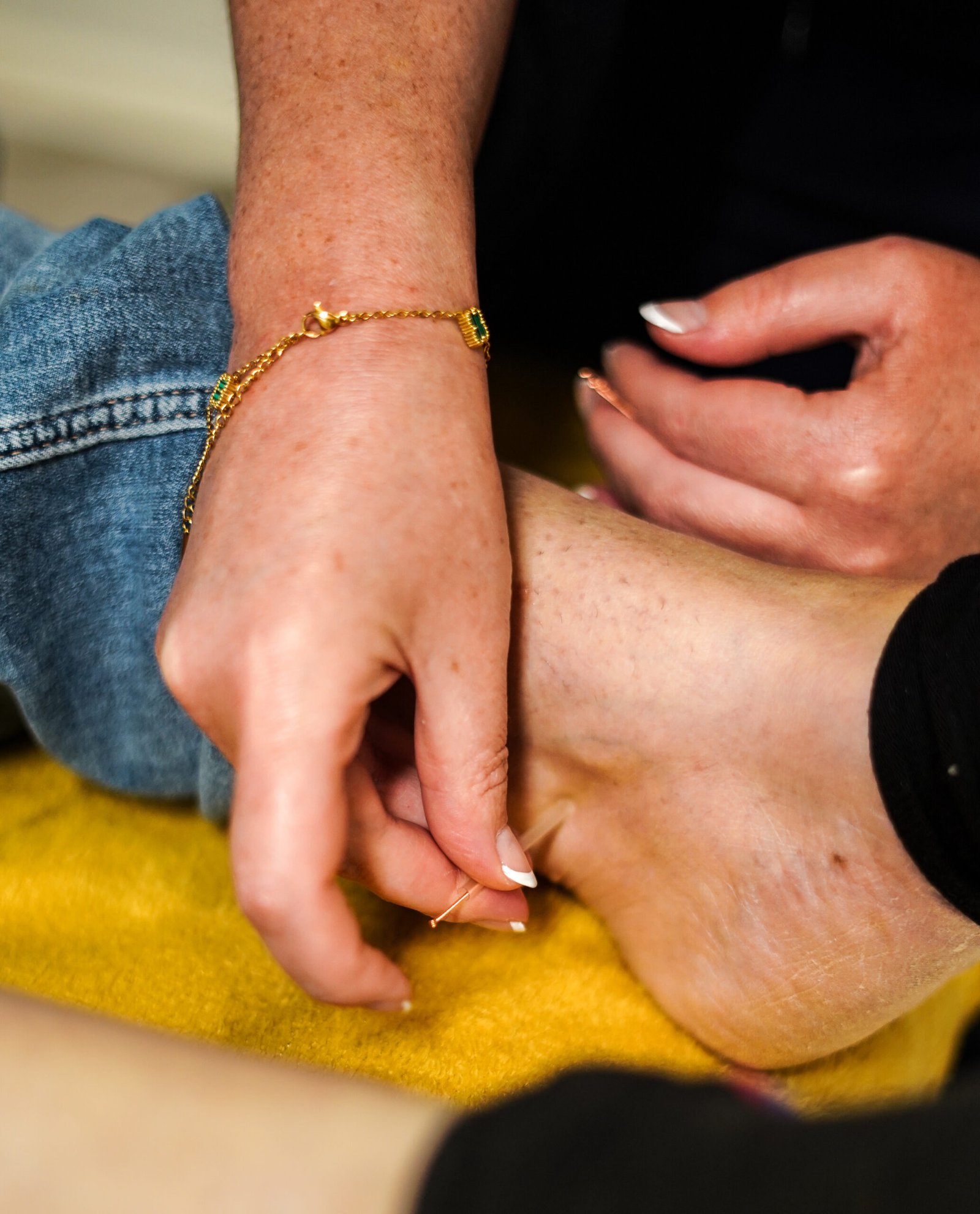
Acupuncture and Chinese herbal medicine can help support hormone regulation, improve circulation to the reproductive organs, reduce stress and cortisol levels, support egg and sperm quality, address deficiencies and improve overall wellbeing.
I also recognise that some people may benefit from additional Western investigations or treatments alongside acupuncture and herbal medicine.
I believe the best outcomes often occur when we use the right tools for the individual, whether those tools come from Chinese Medicine, Western medicine or a combination of both.
Should my partner be investigated too?
Unless you are on a solo fertility journey, absolutely.
Even if one partner has conceived previously, reproductive health can change over time.
Male factors contribute to approximately half of fertility challenges, which is why I believe both partners deserve equal attention and support throughout the process.
How long should I try before seeking help?
Personally, I would generally encourage most couples to try naturally for around three to six months before seeking support, unless there is already a known health condition such as endometriosis, PCOS/PMOS, autoimmune disease, irregular cycles or known male factor concerns.
One of the reasons I advocate for seeking support earlier rather than later is that egg and sperm development takes approximately three months.
Any meaningful improvements to egg quality, sperm quality, nutritional status or overall health take time to influence the reproductive system.
The earlier you begin supporting your health, the more opportunities you create for positive changes to occur.
Final Thoughts
If you’ve been told that everything is normal, but deep down you feel there may be more to your story, I want you to know that you’re not alone.
Unexplained infertility does not mean there is no explanation.
It means the explanation has not yet been found.
There may be further questions worth asking.
There may be avenues worth exploring.
And there may be support available that you have not yet been offered.
Whether your next step involves acupuncture, herbal medicine, IVF, further investigation, or simply having somebody listen to your story properly for the first time, you deserve care that is personalised to you.
If you’re feeling lost, overwhelmed, or unsure where to start, you’re very welcome to book a free 15-minute discovery call, where we can work out if I am the right practitioner to support you.
And if you’re ready to dive deeper, an initial consultation allows us to explore your history in detail and create a personalised fertility roadmap together.
Because fertility is rarely about finding one magic answer.
It’s about understanding the whole picture.
And sometimes, that’s where everything begins.
You can book an initial appointment, or a discovery call, on my website, www.TheAcu.co.uk
And for further reading on similar topics, you can visit our blogs page.
Laura is based in Sutton Coldfield, Birmingham and has been practicing Traditional Chinese Medicine for over a decade.