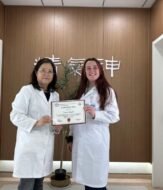
I was lucky enough to find space in my life and clinic to volunteer for three weeks within Drum Tower Hospital, located in Gulou District, Nanjing, alongside attending lectures at Nanjing University of Chinese Medicine. This experience offered an immersive insight into the contemporary clinical application of Traditional Chinese Medicine (TCM) within its cultural and institutional context.
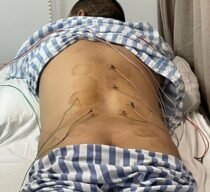
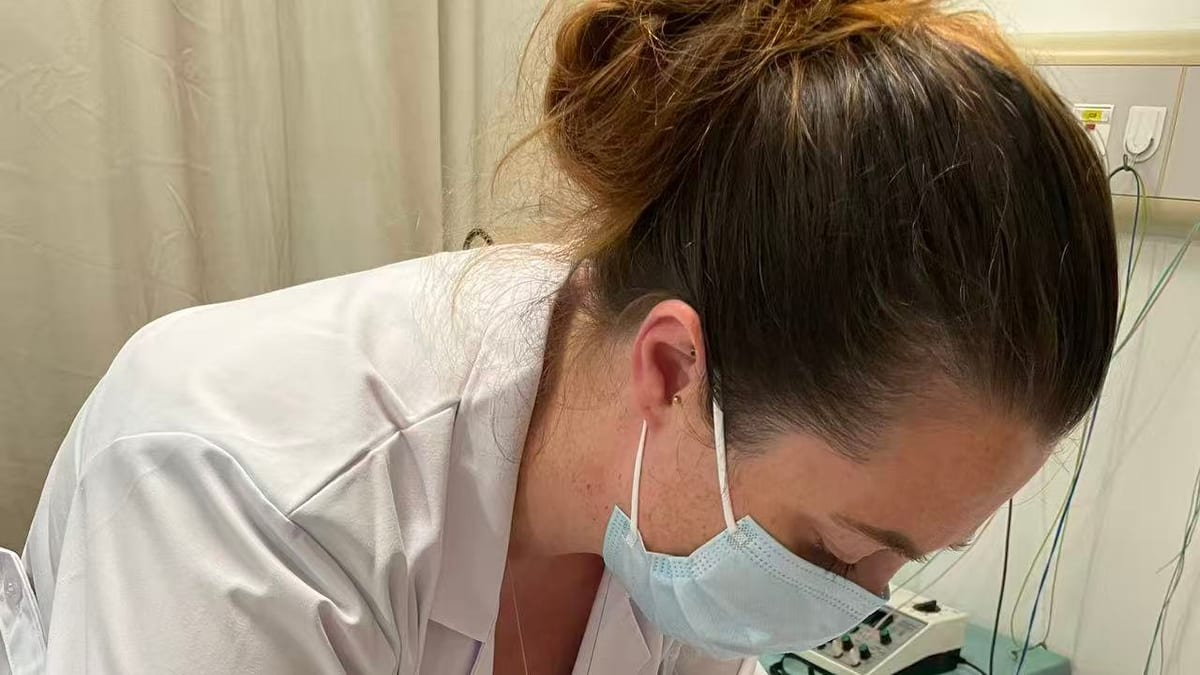
My first week was spent within the in-patient acupuncture department, a notably fast-paced environment. Six treatment beds served a continuous flow of patients, with additional individuals often waiting within the ward itself. Clinical protocols differed in several respects from those commonly observed within UK practice. Whilst handwashing between patients was not routinely observed, rigorous point sterilisation was undertaken using iodine, applied both to the insertion site and to the shaft of longer needles during freehand guidance. This reflects a divergent, though internally coherent, approach to infection control grounded in local clinical norms.
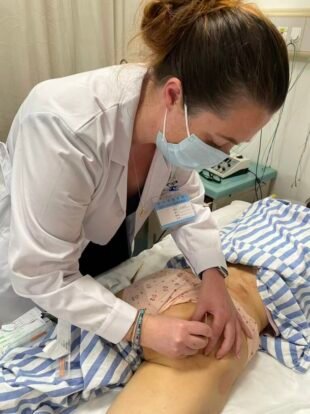
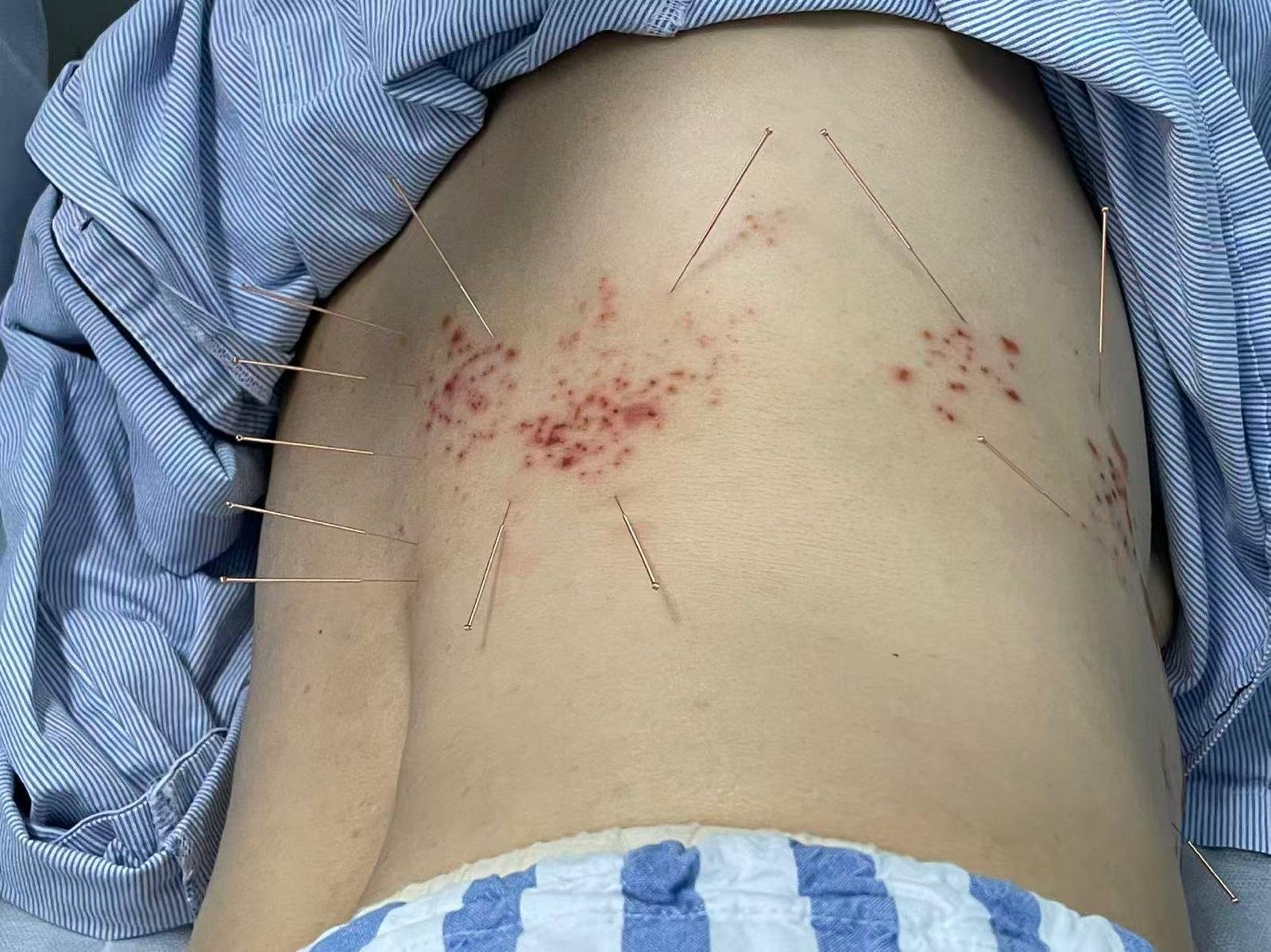
Needling technique also contrasted with my Western training. Guide tubes were not used; instead, practitioners held the long needle between thumb and forefinger, inserting it with a rapid flick of the wrist. Patient expectations around sensation were particularly striking. The distinction between 疼 (teng, ache, commonly associated with the arrival of De Qi) and 痛 (tong, pain) was frequently articulated. On several occasions, Western-trained practitioners were told their needling was 不痛 (bù tòng), meaning “not painful”, and therefore perceived as insufficiently strong to elicit therapeutic effect. In cases such as acute sciatica, I observed treatments that deliberately provoked intense, sweat-inducing neural responses in pursuit of clinical change.
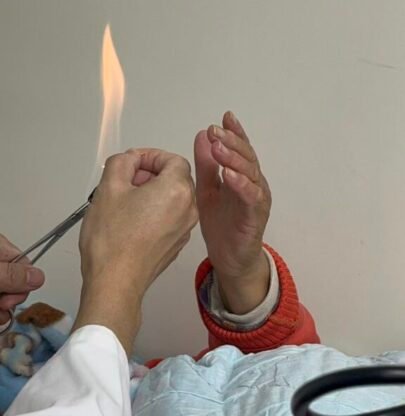
Privacy within the ward was minimal, and it was common for observers to gather around procedures deemed technically interesting, including fire needling, bleeding techniques, and Fu needling. The Fu technique involved the use of a thick needle deployed via a catapult-like device into muscle tissue. Once inserted superficially, the needle was manipulated with the intention of disrupting muscle fibres. Although physically demanding for the patient, this was undertaken with clear expectation and consent, underpinned by trust in the anticipated outcome. Following needle removal, patients were often visibly relieved, with marked improvements in range of movement and pain levels, moments that vividly demonstrated the immediacy of effect valued within this clinical culture.
During my second week, I worked within the outpatient TCM ward, where presentations ranged from complex trauma cases, including road traffic accidents and post-surgical complications, to cosmetic concerns such as periorbital puffiness. Each physician demonstrated a distinct clinical focus. One clinician was deeply engaged in research, particularly relating to pelvic disorders, and took time to explain the integration of research protocols within routine outpatient care. Another displayed remarkable natural authority and efficiency, managing a steady patient flow while simultaneously translating and explaining treatments to foreign observers.
A further notable distinction was the degree of institutional integration afforded to TCM physicians within the hospital setting. Practitioners were able to refer patients internally across departments and, where clinically indicated, routinely request imaging such as MRI scans as part of standard diagnostic work-up. This level of access appeared to support diagnostic clarity and inter-disciplinary collaboration. In contrast, acupuncturists practising in the UK currently operate within far more restricted referral frameworks, highlighting a structural difference in how traditional medicine is embedded within wider healthcare systems rather than a disparity in clinical capability.
Of particular interest was an ongoing research trial investigating the efficacy of Vitamin B12 injections administered at 足三里 (Zu San Li, ST36) compared with standard deltoid injection, with patient-reported energy levels as the primary outcome measure. Observing such research reinforced the dynamic interface between classical point theory and modern clinical investigation within Chinese hospitals.
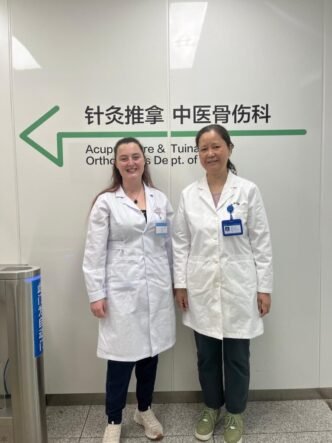
My final week was spent observing consultations with recognised “TCM Famous Doctors” within the herbal medicine department. Although the setting differed from the acupuncture wards, limited privacy remained a consistent feature. With the support of skilled translators, I was able to observe diagnostic processes rooted in classical theory. I was particularly struck by the complexity and clarity with which one physician conceptualised Qi dynamics, mapping patterns of deficiency and obstruction before selecting individualised herbal prescriptions. Patent formulas were used sparingly, with a strong preference for bespoke, botanical combinations. Consultations were brief, typically around ten minutes, yet highly focused and decisive.
I formed a strong professional connection with one senior physician renowned for her work in gastroenterology. Her diagnostic reasoning and theoretical frameworks were both intellectually rigorous and clinically elegant, offering invaluable insight into pattern differentiation as a responsive, living process rather than a fixed formula.
Overall, this experience was profoundly formative. On returning to my own clinical practice, I noticed a tangible refinement in my diagnostic confidence and therapeutic outcomes. While the cultural and clinical contrasts were at times stark, approaching them with openness and respect allowed each difference to become a source of learning rather than discomfort. I would wholeheartedly encourage any practitioner with the opportunity to engage in clinical work within China to do so, embracing the experience as a means of deepening both technical skill and professional perspective.